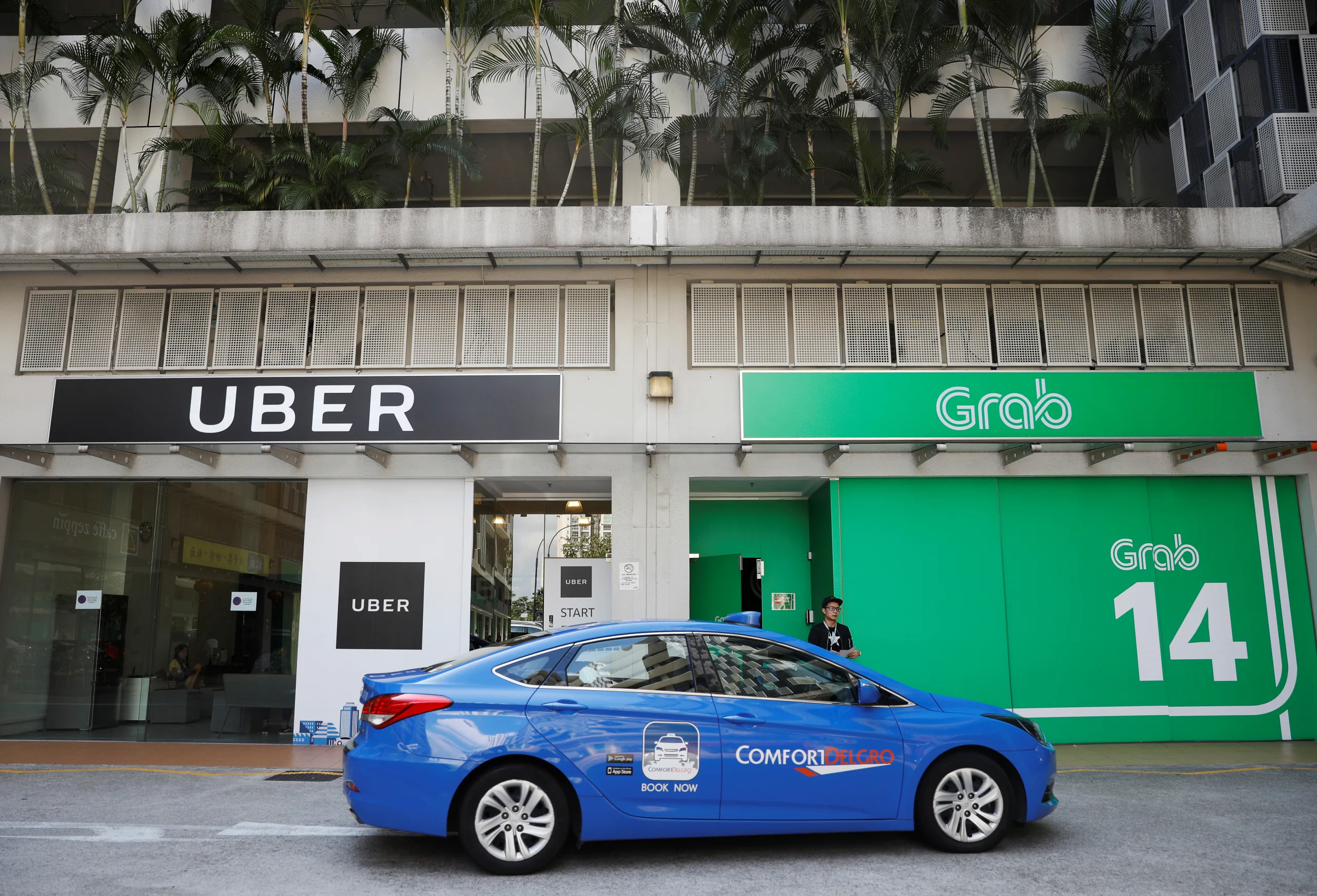
Grab calls its drivers “partners”. Sound equal. But in 2024, Grab posted $2.8 billion in revenue across Southeast Asia. It’s “Partners” in Vietnam, working over 12 hours a day, 26 days a month, averaged 6.2 million VND a month. That’s 16% below a livable wage.
Initially, the sharing economy started with a simple idea: You have a car, you have spare time, you drive. Done for the day? You STOP. The vehicle is a surplus asset. The time is idle.
But when someone takes out a loan to buy a vehicle, specifically to drive Grab, the vehicle becomes a means of production. Time becomes LABOR HOURS. Every day off is a day without income. Surveys in VN show drivers work through 89% of public holidays.
And the labor relationship doesn’t disappear. It just gets a new name.
I take Grab/Be in HCMC almost every day. When I chat with drivers, the answers are almost always the same: 10- to 12-hour days, holidays are a luxury, and the pay keeps shrinking. One driver told me he gets 4K dong per km. After fuel, vehicle wear, and platform fees, he keeps about 30%. I asked why so little. He laughed, haha, “we are partners, bro”. They do share. It’s just not clear in which direction.
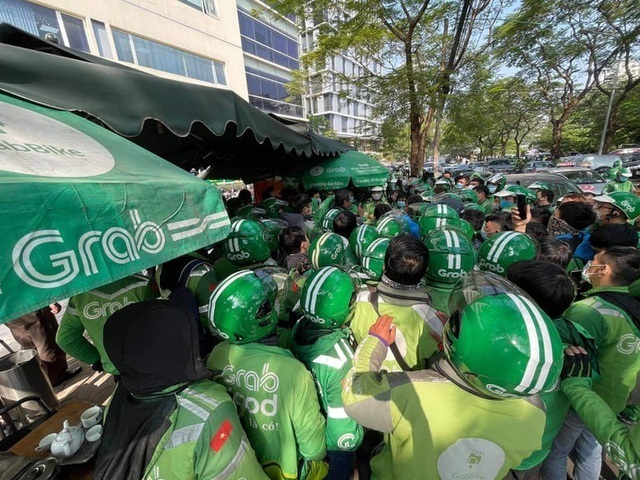

That makes me think technology here doesn’t create flexible work. It reclassifies labor to sidestep older obligations: contracts, insurance, long-term responsibilities.
Instead of hiring employees, the system “connects partners”. Instead of managing shifts, it manages behavior through bonuses and penalties. The platform fee started at 15%, then 20%, and is now over 30% in some cases. Partners don’t get a say before the increase. Real partner would.
And who bears the fixed costs? – the vehicle, the depreciation, the accidents, the healthcare, the dead hours. All on the drivers.
Grab keeps only the variable cut, per ride. Upside is shared downside is the driver’s alone.
The interesting part is that Grab ran losses for years. Investors absorbed them. When a driver runs a loss, the driver absorbs it alone. Same word, two very different arrangements. In 2024, Grab narrowed its losses by 76% and cash liquidity reached $6.1b. The drivers’ situation hasn’t changed.
Calling 200K people who work 12-hour days “sharing partners” is no longer accurate and ridiculous. Technology doesn’t erase labor relationships. It renames them, so they no longer need to be protected.
Try negotiating with an algorithm.
Reach me if you have other perspectives, or just want to say hello.
Say something.